
News
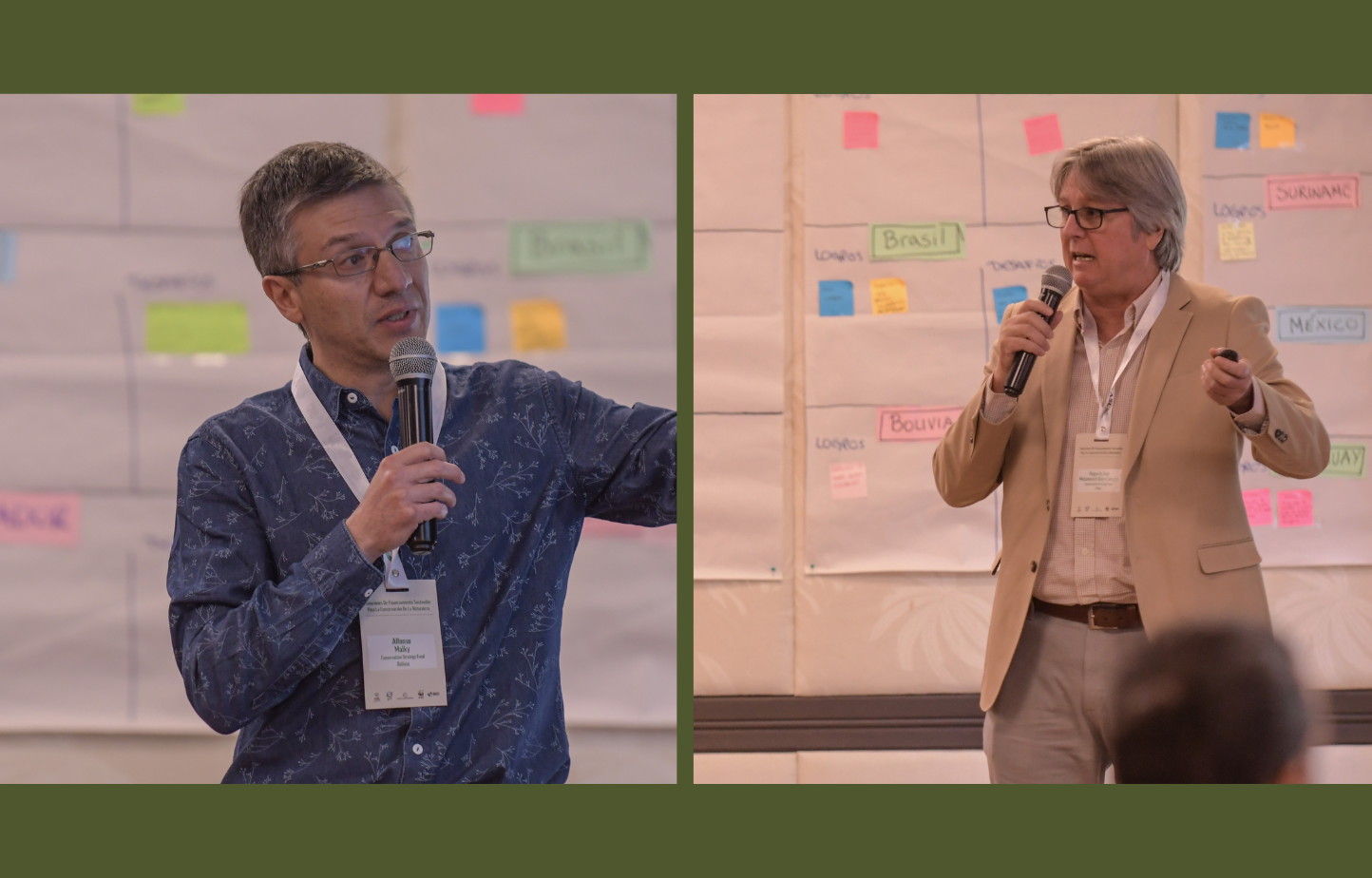
Del 2 al 4 de abril, Santa Cruz de la Sierra (Bolivia) albergó a más de 90 expertos, de gobierno y sociedad civil, en el taller “Soluciones financieras sostenibles para la conservación de la naturaleza”, organizado por el Programa Paisajes Sostenibles de la Amazonía -una iniciativa regional liderada por el Banco Mundial y financiada por el GEF-, Banco Interamericano de Desarrollo (BID) y WWF Internacional.
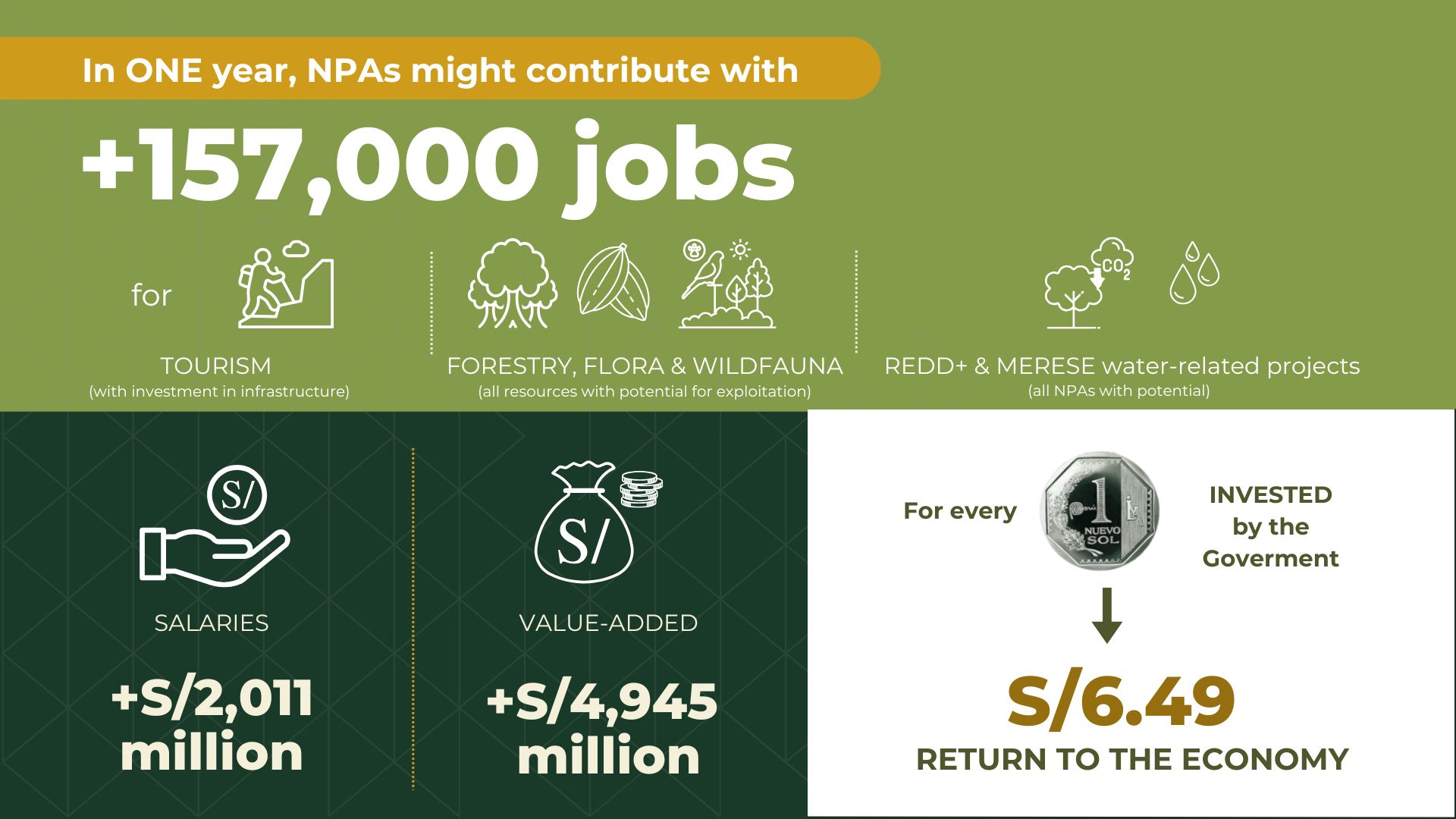
A recent study from Conservation Strategy Fund (CSF) demonstrates the positive impact of NPAs on the Peruvian economy, and highlights how an investment in these services could mean a return of nearly 900% in economic value to Peru. This economic analysis indicates that strategic investments in these spaces will conserve natural heritage, and also generate employment and economic growth.
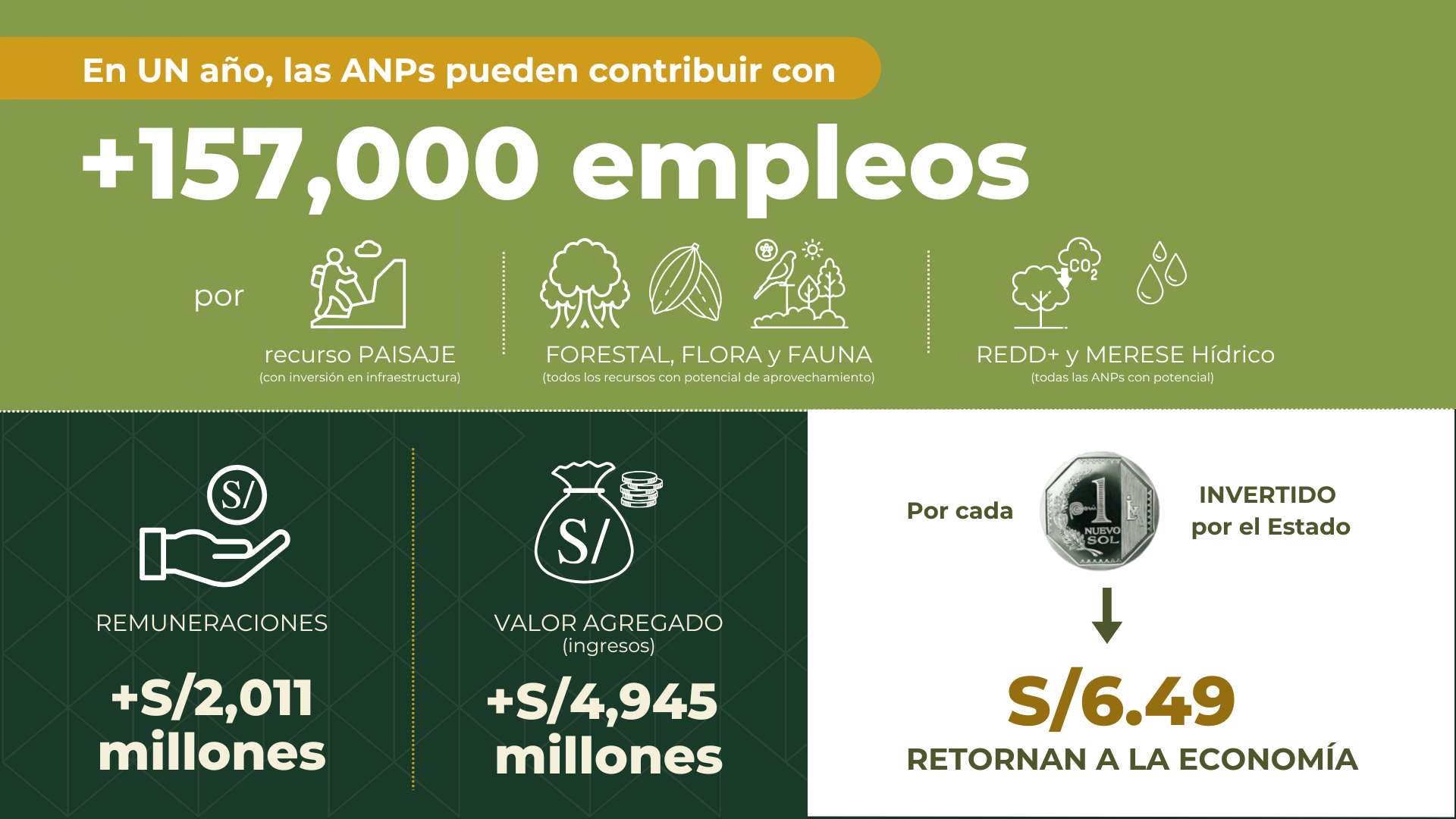
The natural protected areas (NPAs) are home to much of Peru's megadiversity. Ensuring their sustainability and efficient management is not only essential for the conservation of the country's flora and fauna but also represents a key opportunity for economic development and the well-being of local communities. The Conservation Strategy Fund (CSF) study reinforces this idea, highlighting the potential positive impact of NPAs on the Peruvian economy. Its findings indicate that investment in these strategic spaces, in addition to conserving natural heritage, also generates employment and economic growth.
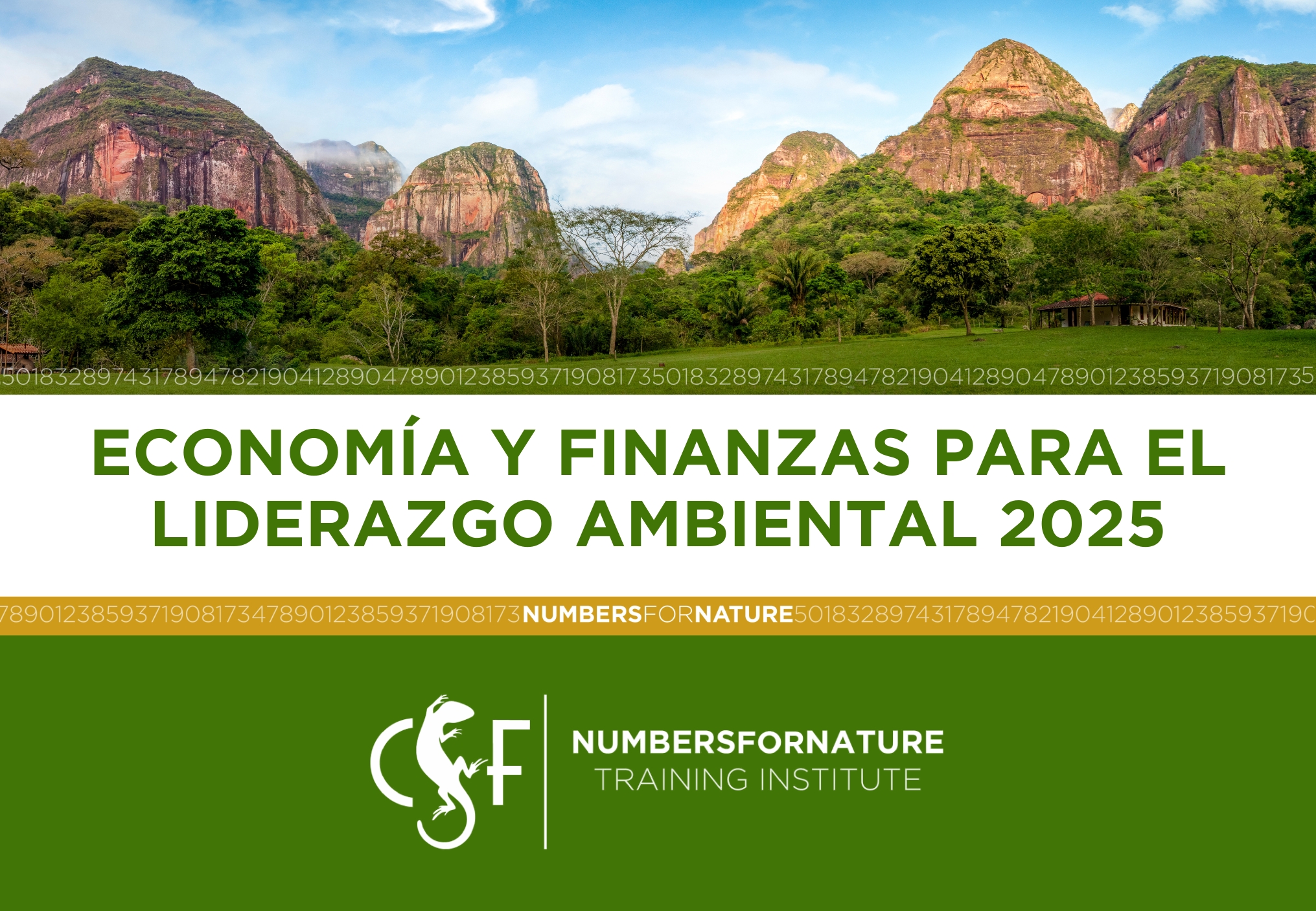
El 10 de febrero de 2025 inicia la tercera edición, 100% en línea y en español, del curso Economía y Finanzas para el Liderazgo Ambiental, ofrecido por el Instituto Numbers for Nature. Durante 12 semanas, a través de 7 módulos, los participantes adquirirán herramientas económicas aplicadas a la conservación de la naturaleza, combinando clases pregrabadas, sesiones en línea, debates y ejercicios prácticos. Este año, el curso cuenta con 34 profesionales de 8 países, interesados en temas como la valoración de servicios ecosistémicos y la economía de los recursos naturales. Para más información, escribe a [email protected].
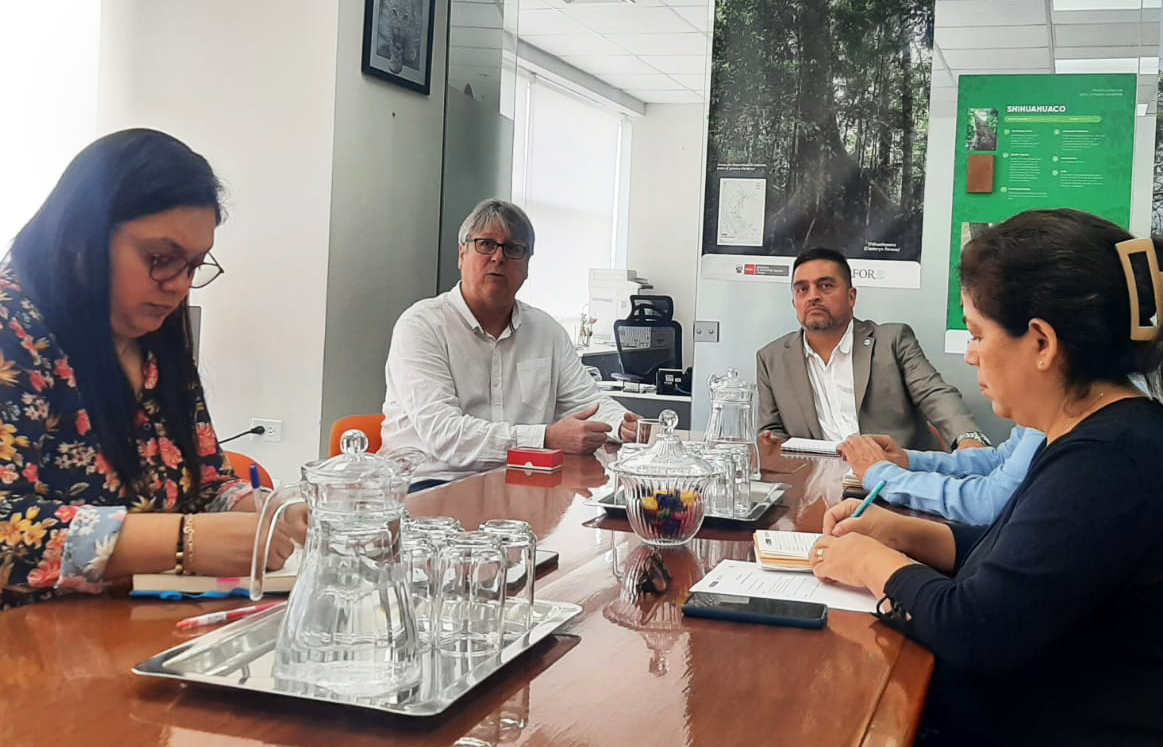
CSF Peru visited the facilities of the National Forest and Wildlife Service (SERFOR) to discuss the potential of building a common agenda where CSF's experience contributes with information that values the forest and wildlife heritage, estimates the cost of the loss of ecosystem services and its socio-environmental impact on the country. The meeting was attended by the Executive Director of SERFOR, Erasmo Otárola, officials of the entity and Augusto Mulanovich Diez-Canseco, director of CSF Peru.
Con este curso, esperamos satisfacer la demanda de los profesionales de la conservación interesados en desarrollar capacidades en economía, y profesionales en economía y finanzas interesados en conocer la aplicabilidad de sus herramientas para la conservación.
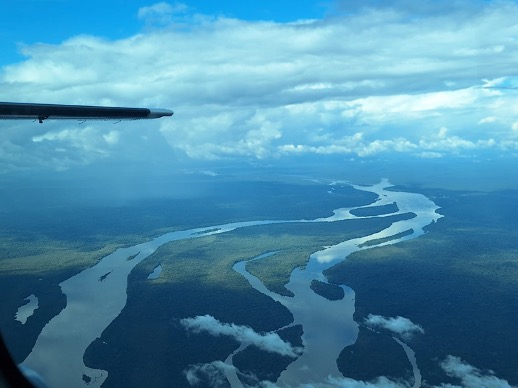
In May 2024, Conservation Strategy Fund (CSF) Brazil participated in the 3rd Assembly of Rede Xingu+, a gathering focused on discussions and decisions related to the preservation of protected areas and the challenges faced by indigenous and riverside communities in the region. The event brought together over 400 participants, including indigenous leaders, partner institutions, and local community representatives.
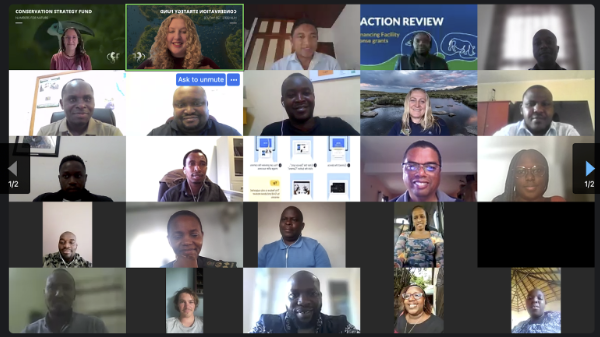
“We need more of such courses to open our eyes on conservation matters.”
Elizabeth Atieno, Tsavo Trust, Kenya
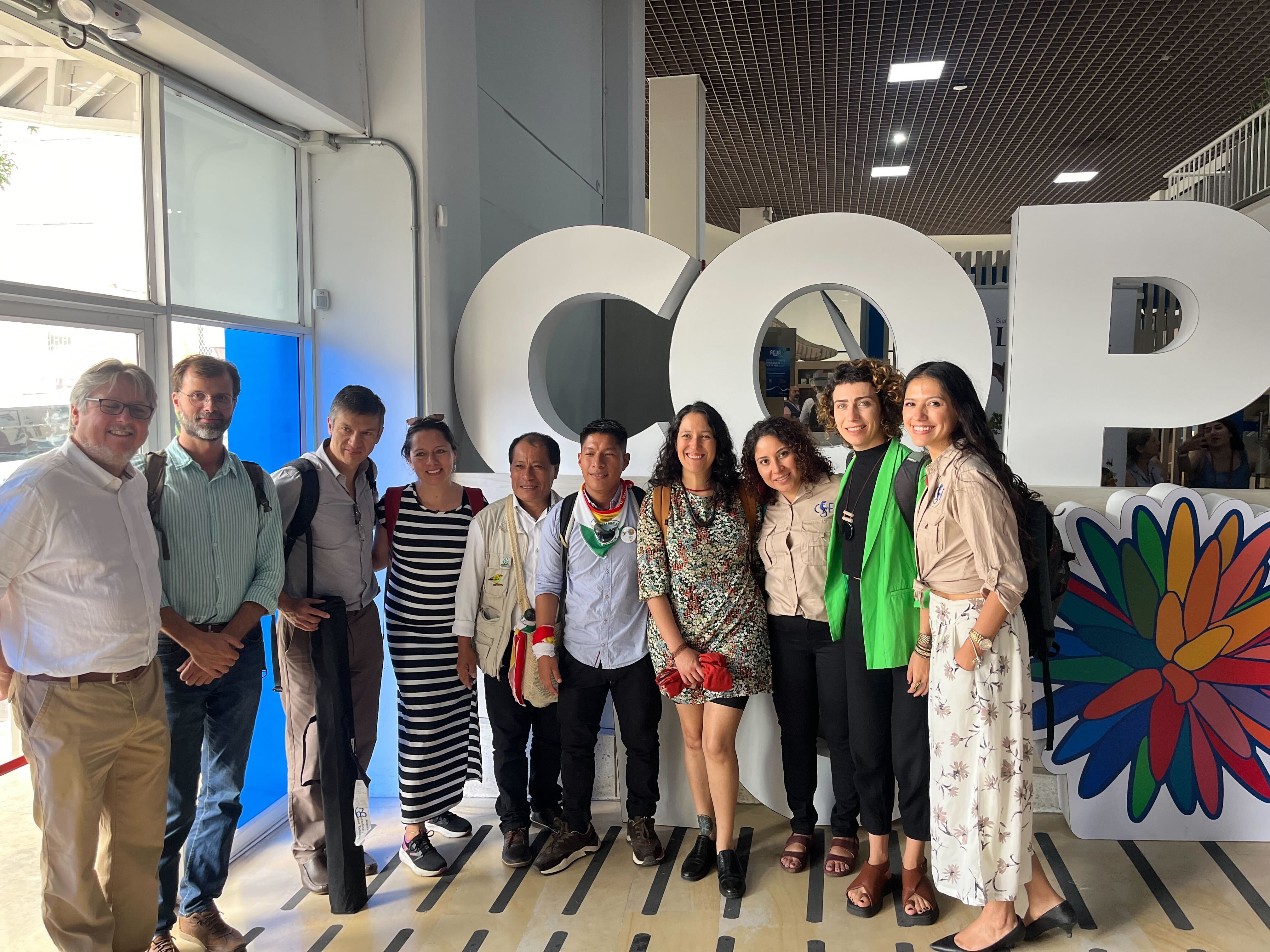
I have just returned from COP16 in Cali with mixed emotions of pride in how far we have come and an urgency to move even farther. If you remember, I attended the 15th COP in 2022 held in Montreal and I shared with you the seven things that CSF can contribute to the Global Biodiversity Framework, and more specifically on which targets we could apply our economic tools and capacity building expertise.
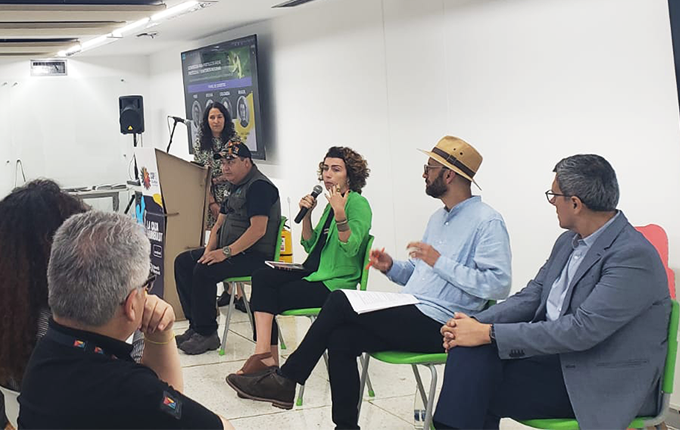
#Numbers4Biodiversity
Alfonso Malky, Director for Latin America, CSF.