Economic Tools for Conservation and Infrastructure Planning in the Albertine Rift

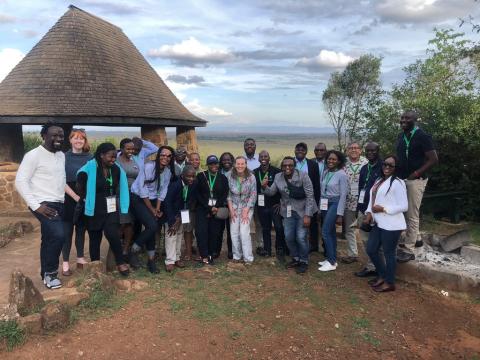
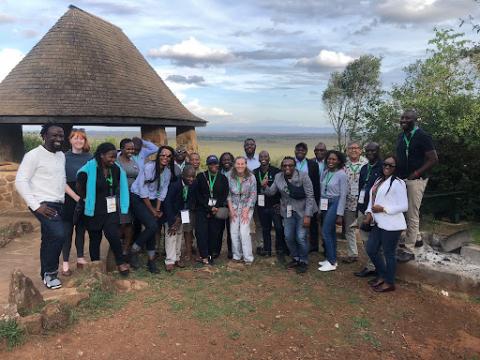
From June 11-22, 2012, twenty-eight environmental professionals from eight African nations gathered at the Rwenzori International Hotel in Kasese, Uganda to learn how economic approaches can help them address environmental impacts of infrastructure development in the Albertine Rift.

CSF People: Sarah Naigaga

Born in Uganda, Sarah Naigaga first came to CSF as a student at our Economic Tools for Conservation course in 2004 with the hopes of sharpening her analytic skills. At the time, she had been working with Greenwatch, an environmental law organization, and was involved in reviewing the Bujagali hydro dam. She was also selected as a representatives of civic society organizations to review the strategic sectoral, social, and environmental assessment of power development options in the Nile Equatorial Lakes Region. This process exposed her to broader issues of development and allowed her the opportunity for collaboration with a multitude of actors across several countries.

Ecosystem Spotlight: The Albertine Rift

Photo of gorilla in the Albertine Rift, Uganda

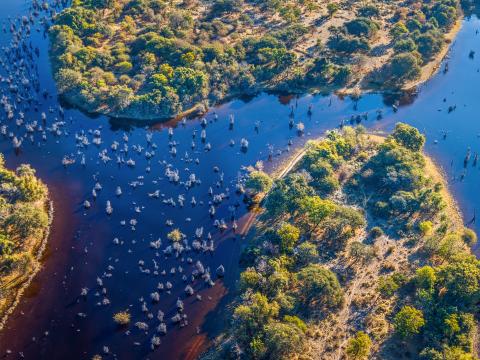
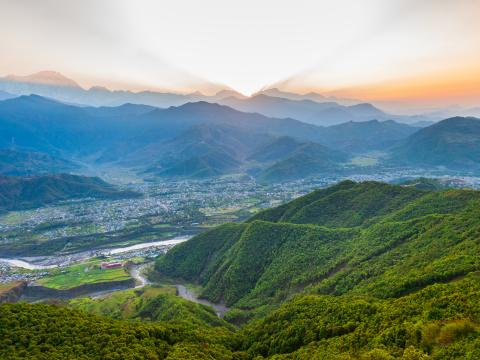
The Albertine Rift is the 920-mile long western area of the East African Rift, covering parts of Uganda, the Democratic Republic of the Congo, Rwanda, Burundi and Tanzania. It runs from the northern end of Lake Albert to the southern end of Lake Tanganyika. Formed over millions of years, the Albertine Rift is the result of two tectonic plates that once collided and are now slowly moving apart. This geologic activity has created some of Africa's tallest mountains and many of the world's deepest lakes. In addition, the unique variation in elevations has contributed to the diversity of habitats that include wetlands, alpine grasslands, lowland and montane forests, and woodland savannas. Within these habitats, one finds everything from active glaciers to volcanoes.

CSF graduate takes on the sugar industry with economic analysis

Ronald Kaggwa, CSF alum

An hour drive from Kampala lies the Mabira Forest, one of the few remaining natural forest reserves in Uganda. Rich in biological diversity, the forest contributes to the livelihood of the adjacent communities and provides an opportunity for ecotourism. In 2009 the Sugar Corporation of Uganda Limited (SCOUL) requested permission from the government to use part of the Mabira Central Forest Reserve for sugarcane growing. CSF graduate Ronald Kaggwa took action.

CSF partners with Uganda National Environmental Management Authority (NEMA) for infrastructure program in Africa.

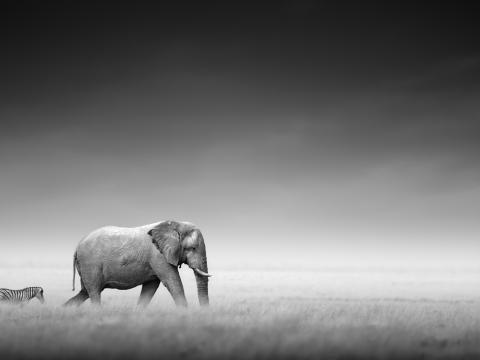
Antelope in Murchison Falls National Park

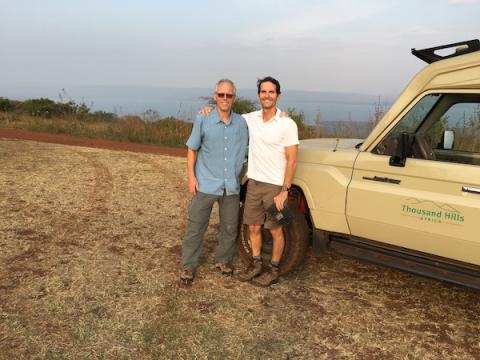
CSF's Irene Burgués and John Reid traveled to Uganda in November to establish our first long-term program in Africa. The program's initial focus will be on conserving ecosystems in the context of major infrastructure development in the Albertine Rift region shared by Uganda, Rwanda, Democratic Republic of Congo and Tanzania. The region is home to cloud forests, lowland rain forests and savannas, along with active volcanoes and endangered wildlife such as the mountain gorillas.

Finding the Balance Between Biodiversity and Infrastructure

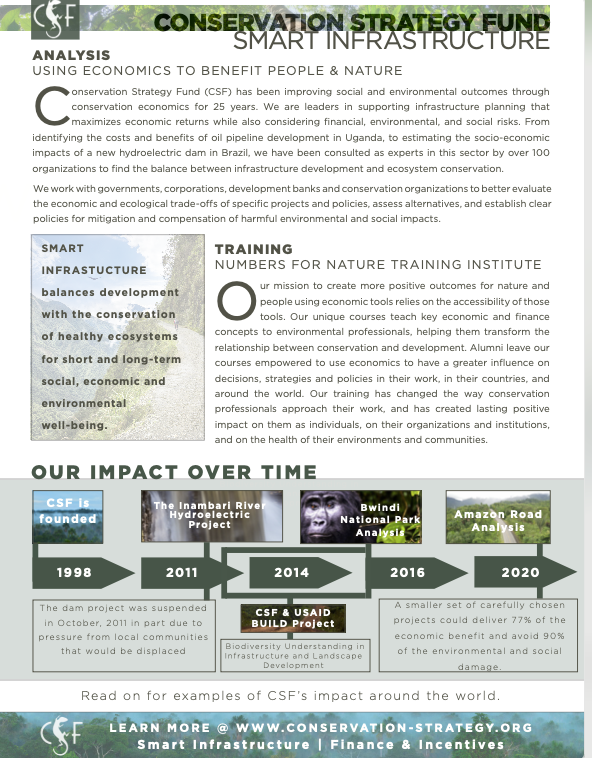
CSF will launch African and Himalayan initiatives and expand Andes-Amazon programs through $1.2 million agreement with Biodiversity Understanding in Infrastructure and Landscape Development (BUILD) program of USAID.

The United States Agency for International Development (USAID) recently announced a $1.2 million agreement with Conservation Strategy Fund (CSF) to launch a comprehensive initiative in central Africa, expand CSF’s programs in the Andes-Amazon region, and initiate a limited program in Asia’s Himalayan region. The goal of the program is to promote biodiversity conservation through infrastructure best practices.

CSF Alum fights an international oil company and wins

by Ephrem Balole, ICCN-PNVi, Democratic Republic of Congo, 2005 International Course Alum

Photo of invasive swordfern in forest

Impactos Econômicos de Espécies Invasivas

  • Uganda, Ghana y Zambia, Africa
  • 2006 - 2007
  • Concluído

Entre 2005 e 2006, a CSF trabalhou com o grupo Conservação Natural (TNC) para desenvolver um processo de acesso econômico baseado em entrevistas, a fim de assistir países em desenvolvimento na avaliação e tratamento dos impactos de espécies invasivas.

A CSF conduziu estimativas econômicas de espécies invasivas de particular preocupação em Uganda, Gana e Zâmbia em parceria com a CABI África e a União Mundial de Conservação (IUCN), como parte do projeto UNEP/GEF "Removendo Barreiras para o Manejamento de Plantas Invasivas na África”.

Divulgar conteúdo