
News

Conservation Strategy Fund (CSF) led a regional initiative between 2025 and 2026 to assess the ecosystem services these territories provide and identify best practices for their conservation and sustainable use. The study covered eight wetlands in the region: the Yata River (Bolivia), the Juruá River (Brazil), the Inírida River Delta (Colombia), the Limoncocha Biological Reserve (Ecuador), North Rupununi (Guyana), the Pastaza Fan and the Pacaya Samiria National Reserve (Peru), and the Coppenamemonding Nature Reserve (Suriname). The analysis focused on services such as carbon sequestration, food provision, recreation (tourism), biodiversity, and water supply.

Conservation Strategy Fund (CSF) lideró entre 2025 y 2026 una iniciativa regional para evaluar los servicios ecosistémicos que estos territorios brindan, e identificar buenas prácticas para su conservación y uso sostenible. El estudio abarcó ocho humedales de la región: el río Yata (Bolivia), el río Juruá (Brasil), la Estrella Fluvial del Inírida (Colombia), la Reserva Biológica de Limoncocha (Ecuador), North Rupununi (Guyana), el Abanico del Pastaza y la Reserva Nacional Pacaya Samiria (Perú) y la Reserva Natural Coppenamemonding (Surinam). El análisis se centró en servicios como el secuestro de carbono, la provisión de alimentos, la recreación (turismo), la biodiversidad y el suministro de agua.
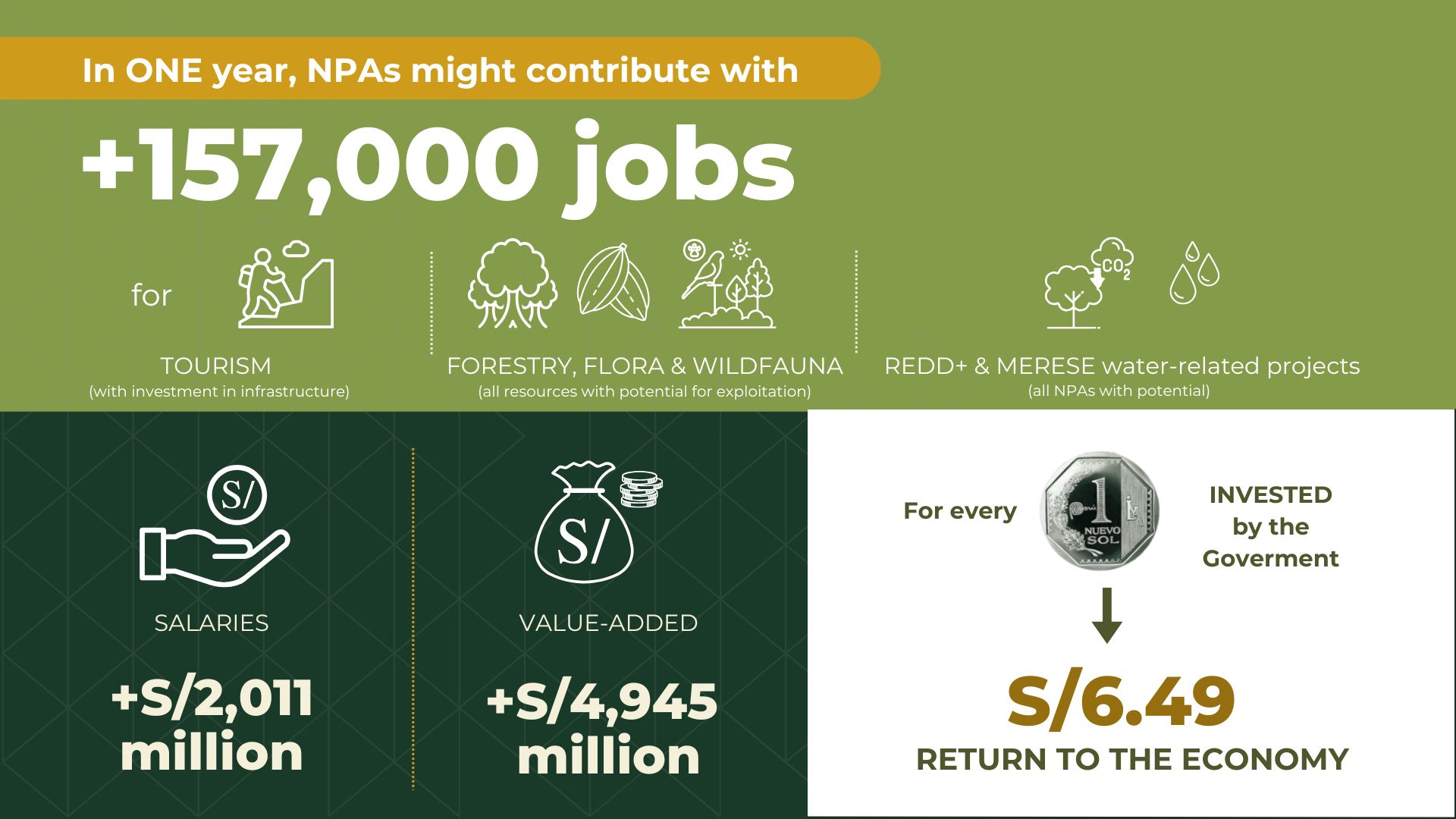
A recent study from Conservation Strategy Fund (CSF) demonstrates the positive impact of NPAs on the Peruvian economy, and highlights how an investment in these services could mean a return of nearly 900% in economic value to Peru. This economic analysis indicates that strategic investments in these spaces will conserve natural heritage, and also generate employment and economic growth.
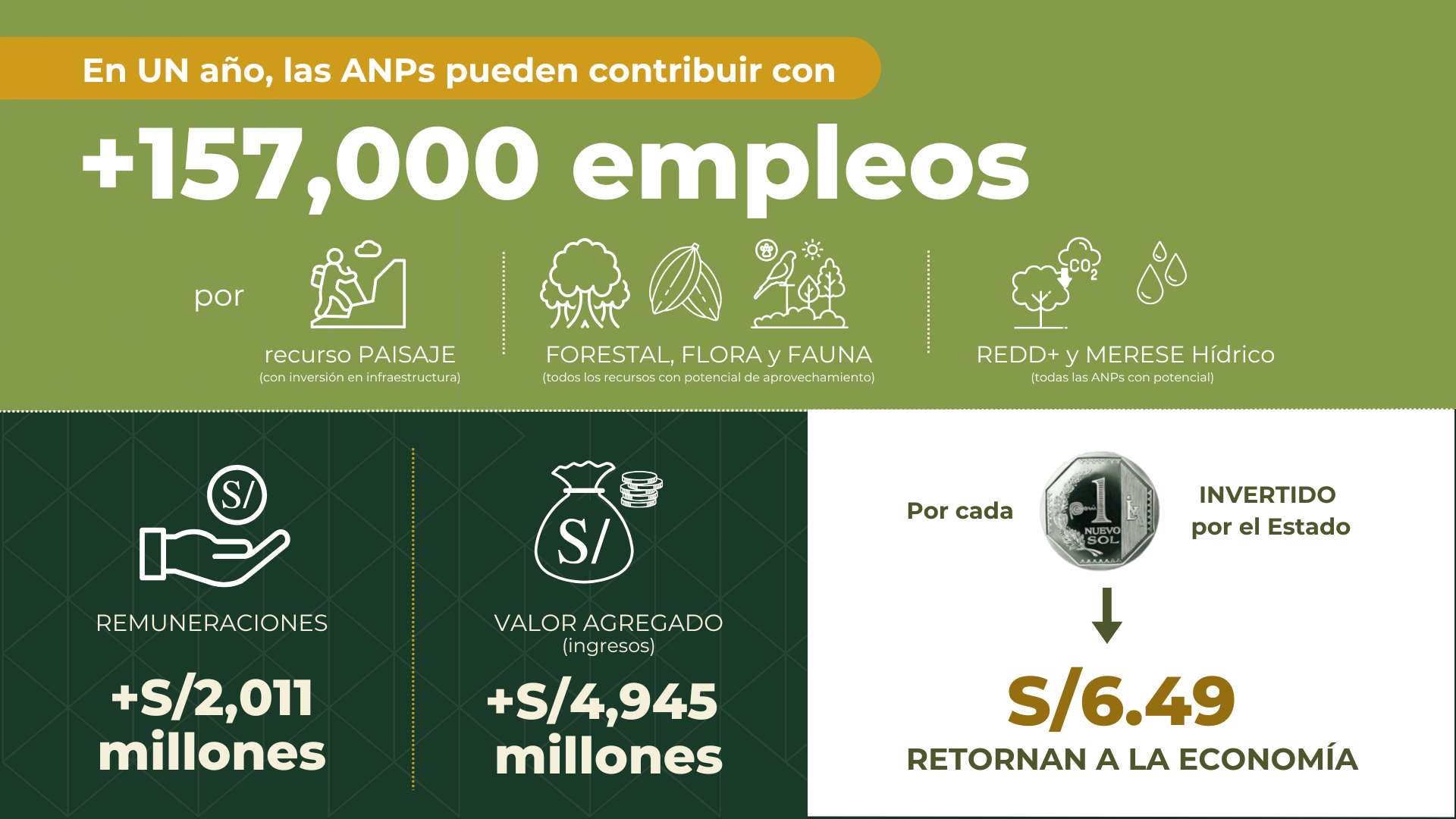
The natural protected areas (NPAs) are home to much of Peru's megadiversity. Ensuring their sustainability and efficient management is not only essential for the conservation of the country's flora and fauna but also represents a key opportunity for economic development and the well-being of local communities. The Conservation Strategy Fund (CSF) study reinforces this idea, highlighting the potential positive impact of NPAs on the Peruvian economy. Its findings indicate that investment in these strategic spaces, in addition to conserving natural heritage, also generates employment and economic growth.

#Numbers4Biodiversity
Alfonso Malky, Director for Latin America, CSF.
At COP16 in Cali, Colombia, Conservation Strategy Fund and the Humboldt Institute joined forces to present innovative financial instruments that promote, in a sustainable manner, the conservation of nature and strengthen the fundamental role of indigenous peoples in the protection of the region's ecosystems. The green zone of the COP in Colombia was the space where Alfonso Malky, Director for Latin America, and Pedro Gasparinetti, Director of Innovation, presented CSF's proposals for the sustainability of sensitive ecosystems and the indigenous communities that inhabit them.
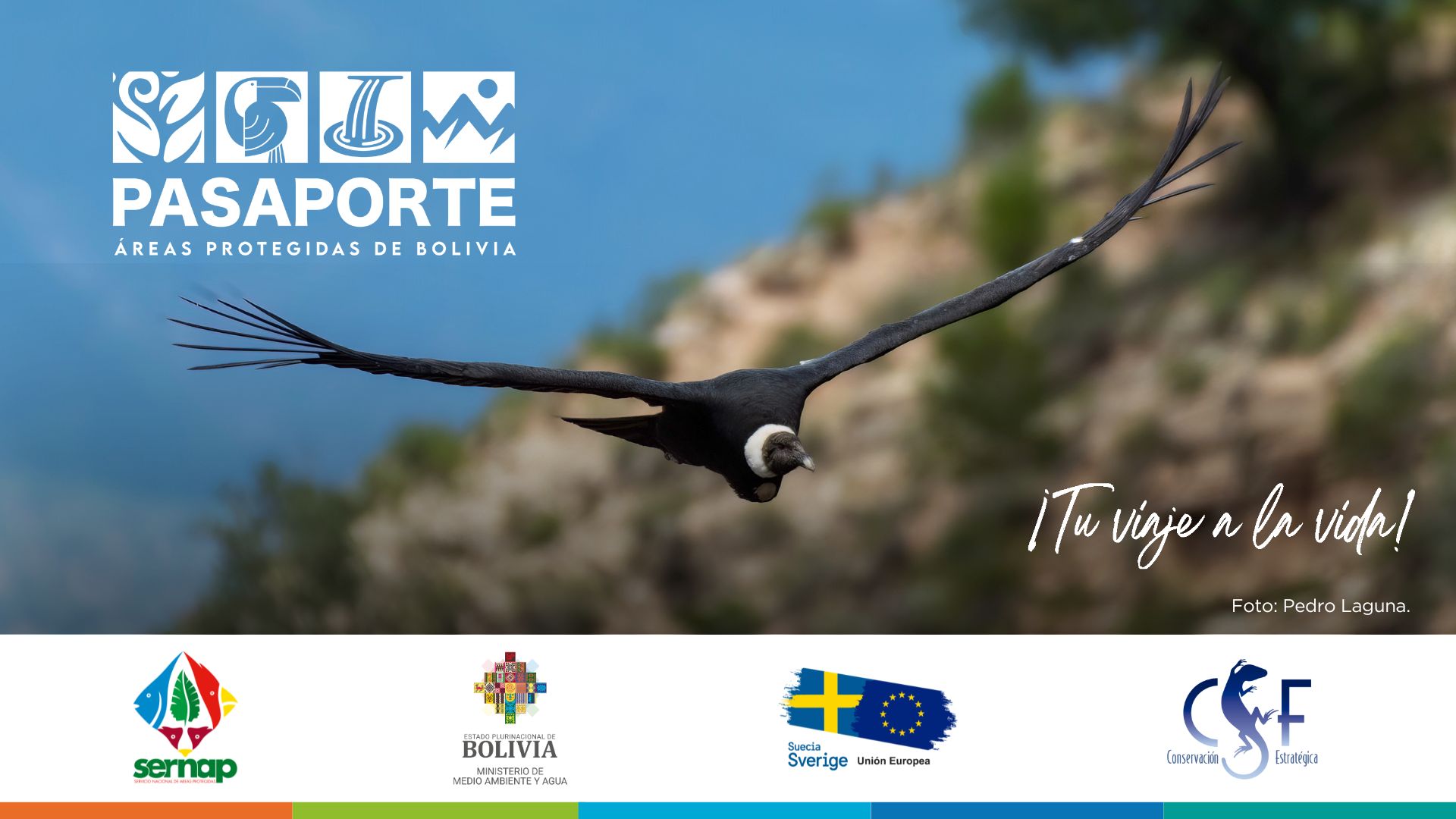
The Passport for Conservation invites you to explore our National Protected Areas with unlimited access for one year. By purchasing it, you will not only have the opportunity to discover breathtaking landscapes and invaluable biodiversity, but you will also be contributing directly to the conservation of these essential spaces.

Course participants from CSF's "Strategies for Effective Nature-Based Tourism" represented 21 organizations from 9 African countries.
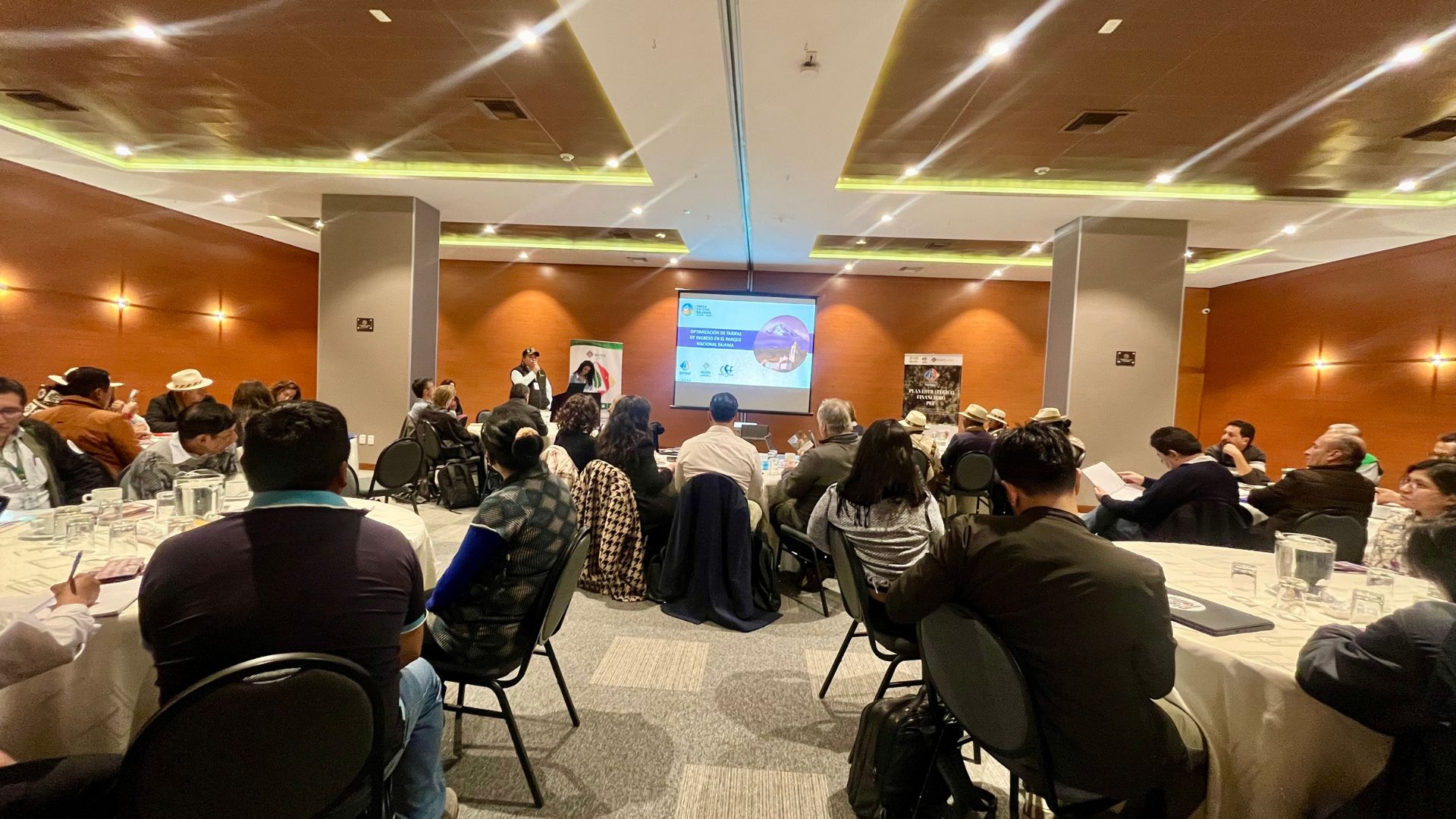
Las áreas protegidas desempeñan un papel fundamental en la conservación de la biodiversidad, la protección de los bosques y la provisión de funciones ambientales esenciales para las comunidades locales y la población boliviana en general. Sin embargo, gestionar estos espacios únicos y diversos puede ser una tarea ardua que, a menudo, requiere soluciones financieras innovadoras.

Workshop participants, Bajo Madidi. Photo Credit: Conservation Strategy Fund